A driver shaped by discipline, dominance, and an uncompromising pursuit of victory.
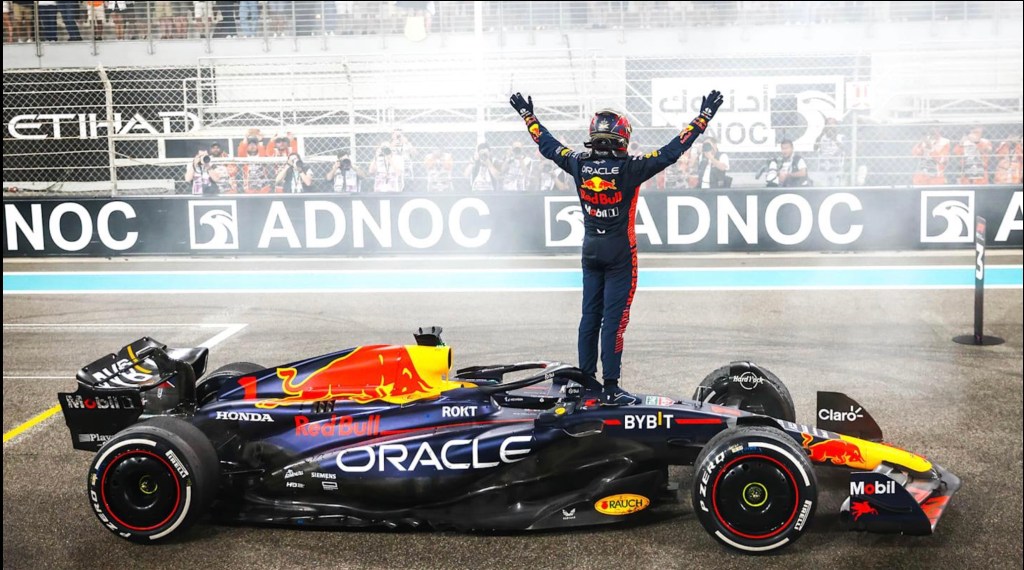
From a marketing and performance perspective, Max Verstappen represents one of the clearest examples of how elite sport can align perfectly with brand identity. His career is not just a story of talent, but of intentional construction—both as a driver and as a symbol of dominance.
From an early age, Verstappen was exposed to an environment where performance was non-negotiable. Trained by his father, former Formula 1 driver Jos Verstappen, he developed a mindset centered on precision, resilience, and competitive aggression. This upbringing created a driver who is not reactive, but instinctively decisive. On track, this translates into a style defined by risk tolerance, control under pressure, and a relentless pursuit of victory.
However, what makes Verstappen particularly relevant in a marketing context is not just how he drives, but how he is positioned. In contrast to more media-friendly or charismatic drivers, Verstappen’s public image is deliberately minimalistic. He does not rely on humor, relatability, or emotional storytelling to build his brand. Instead, his identity is rooted in one core message: winning.
This positioning aligns seamlessly with Red Bull Racing. Red Bull as a brand has always been associated with extreme performance, boldness, and pushing limits. By pairing with a driver who embodies these exact traits, the team reinforces a coherent and powerful narrative. Verstappen is not just part of the brand—he is an extension of it.
From a strategic standpoint, this creates clarity. In marketing, one of the most valuable assets is a clear and consistent identity. Verstappen does not attempt to appeal to every audience segment. Instead, he dominates a specific space: excellence without compromise. This makes his image highly differentiated in a grid where many drivers compete not only on track, but also for attention and relatability.
Another key aspect is the perception of inevitability. Over time, Verstappen has been positioned not just as a champion, but as the driver to beat—almost as a constant within the sport. This perception is crucial because it shifts audience expectations. When Verstappen wins, it reinforces his brand. When he loses, it creates narrative tension, making the competition more engaging.
From a broader business perspective, Verstappen’s dominance contributes directly to Formula 1’s storytelling ecosystem. Every dominant figure creates a counter-narrative: challengers, rivalries, and potential upsets. In this sense, his success is not only beneficial for Red Bull, but for the sport as a whole.
In conclusion, Max Verstappen illustrates a fundamental principle in both sport and marketing: success is not only about performance, but about positioning. By maintaining a clear, consistent identity aligned with his team and reinforced through results, he has become more than a driver. He is a brand built to win.
DRIVE TO SURVIVE: ENTERTAINMENT, DISTORTION, OR MARKETING GENIUS?
A series that redefined Formula 1 by turning racing into global storytelling.
The launch of Drive to Survive marked a structural shift in how Formula 1 is consumed, understood, and marketed globally. Produced by Netflix, the series did not simply document the sport—it reinterpreted it, transforming a technically complex competition into a narrative-driven entertainment product.
Traditionally, Formula 1 has been perceived as a sport that requires prior knowledge to fully appreciate. Concepts such as race strategy, tire degradation, aerodynamics, and team dynamics can be difficult for new audiences to grasp. Drive to Survive effectively removes this barrier by focusing not on the technical, but on the human elements: rivalry, pressure, ambition, and conflict.
From a marketing perspective, this is a textbook example of audience expansion through narrative simplification. Instead of educating viewers on the complexities of the sport, the series invites them in through emotional engagement. Drivers become characters, teams become protagonists or antagonists, and races become story arcs rather than isolated events.
However, this approach introduces a key tension: authenticity versus entertainment. The series has been widely criticized for exaggerating rivalries, manipulating timelines, and selectively editing radio messages to create drama. Some drivers and team principals have publicly questioned its accuracy, arguing that it distorts reality.
Despite these criticisms, the effectiveness of the strategy is undeniable. Drive to Survive has played a significant role in expanding Formula 1’s global audience, particularly in markets like the United States, where the sport had historically struggled to gain traction. New fans are not drawn in by technical excellence, but by emotional investment in personalities and narratives.
From a branding standpoint, this represents a shift from sport as competition to sport as entertainment ecosystem. Formula 1 is no longer just competing with other sports, but with streaming platforms, series, and digital content. In this context, storytelling becomes a competitive advantage.
Another important aspect is the creation of parasocial relationships. By providing behind-the-scenes access, the series allows fans to feel closer to drivers and teams. This perceived intimacy increases engagement, loyalty, and long-term interest in the sport. A viewer who connects emotionally with a driver is far more likely to follow races, consume content, and engage with the brand.
Additionally, Drive to Survive functions as a powerful entry point into the broader Formula 1 ecosystem. Once viewers are emotionally invested, they are more likely to explore races, merchandise, social media content, and live events. In this sense, the series acts as a top-of-funnel marketing tool, driving awareness and conversion into deeper fan engagement.
The key question, therefore, is not whether Drive to Survive is fully accurate, but whether it is effective. From a pure marketing standpoint, it is difficult to argue against its success. It has redefined how Formula 1 communicates with audiences, making the sport more accessible, more emotional, and ultimately more profitable.
In conclusion, Drive to Survive may blur the line between reality and fiction, but this ambiguity is precisely what makes it powerful. It demonstrates that in the modern media landscape, storytelling is not just a complement to sport—it is a central component of its growth strategy.
FORMULA 1 AS A DRAMA: WHY STORYTELLING MATTERS.
Beyond speed, it is narrative and emotion that truly engage the audience.
At a purely technical level, Formula 1 is one of the most complex sports in the world. It is driven by engineering precision, data analysis, and marginal gains measured in milliseconds. However, what sustains its global appeal is not this complexity—it is the transformation of competition into narrative.
Formula 1 operates, whether intentionally or not, as a continuous drama. Each season unfolds like a multi-episode series, where drivers and teams assume roles that audiences can recognize: the dominant champion, the rising talent, the underdog, the fallen legend. These roles are not static; they evolve throughout the season, creating tension, uncertainty, and emotional engagement.
From a marketing standpoint, storytelling is not an accessory—it is a core mechanism of value creation. Without narrative, races would be reduced to isolated events with limited emotional continuity. Storytelling connects these events, giving them meaning beyond the final result.
One of the most powerful elements in this narrative structure is rivalry. Conflicts between drivers or teams—whether organic or amplified—create clear points of tension. These rivalries allow audiences to take sides, which significantly increases engagement. A neutral viewer may watch a race, but a viewer emotionally invested in a rivalry experiences it.
Another key component is the concept of the underdog. When a less dominant team or driver challenges the established order, it introduces unpredictability into the narrative. This unpredictability is essential because it prevents the sport from becoming monotonous, especially during periods of dominance by a single team or driver.
From a branding perspective, storytelling also enhances individual identities. Drivers are no longer defined solely by their results, but by their journeys. A driver who struggles, improves, and eventually succeeds can generate a stronger emotional connection than one who consistently wins without visible adversity.
This narrative layer is further reinforced by media coverage, social media, and content production. Platforms highlight key moments, amplify conflicts, and construct storylines that extend beyond the race weekend. In this sense, Formula 1 is not just a sport—it is a content ecosystem where storytelling is continuously produced and consumed.
Importantly, storytelling also plays a role in audience retention. While a single race might attract viewers due to its spectacle, it is the ongoing narrative that keeps them returning. Fans do not just follow races; they follow stories that develop over time.
There is also a commercial dimension to this. Strong narratives increase the value of sponsorships, media rights, and merchandise. Brands prefer to associate with stories that resonate emotionally with audiences, as this creates deeper engagement and stronger brand recall.
However, storytelling must be balanced carefully. If narratives are perceived as artificial or overly manipulated, they risk losing credibility. The challenge for Formula 1 is to amplify real stories without compromising authenticity.
In conclusion, storytelling is what transforms Formula 1 from a technical competition into a global entertainment product. It provides context, creates emotional engagement, and drives long-term interest. In an increasingly competitive media landscape, the ability to tell compelling stories is not just beneficial—it is essential for sustained growth.
THE F1 MOVIE: FICTION, REALITY AND SPORT SELF-IMAGE
How cinema is reshaping the way Formula 1 presents itself to the world.
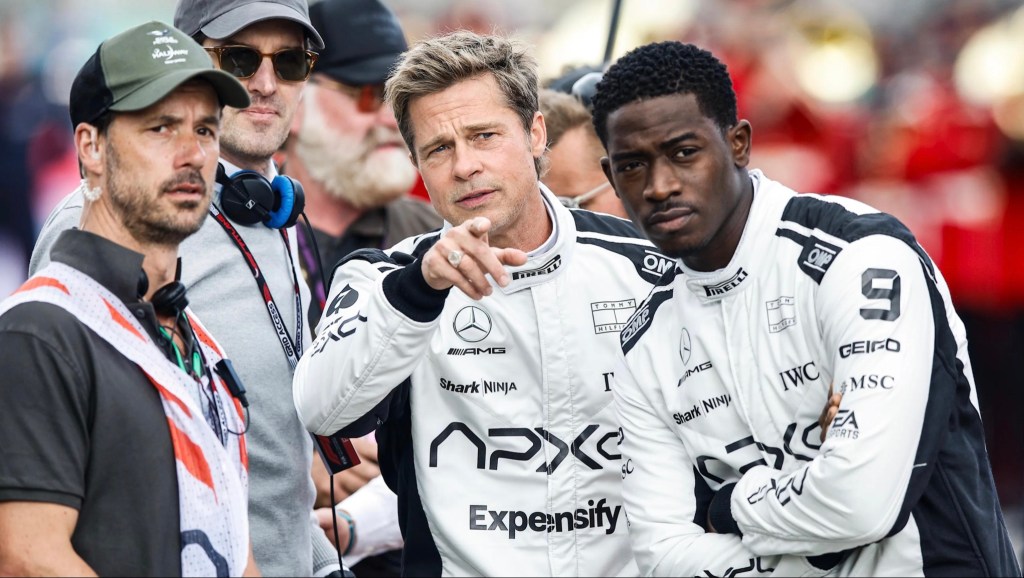
The development of F1 The Movie represents a strategic intersection between sport and cinema, where Formula 1 is no longer just a competition, but a narrative product actively shaped for global consumption.
Historically, sport and film have always been connected. However, what makes this case particularly significant is the level of collaboration between Formula 1 and Hollywood. Unlike traditional sports films that interpret events from the outside, this project is being developed with direct access to teams, circuits, and the paddock environment. This indicates a deliberate effort by the sport to control how it is portrayed.
From a marketing perspective, this move reflects a broader strategy: owning the narrative. By participating in the creation of its own cinematic representation, Formula 1 ensures that the image presented to global audiences aligns with its brand positioning—high-performance, elite, dramatic, and technologically advanced.
Cinema has a unique ability to amplify emotion and simplify complexity. Through storytelling techniques such as character arcs, visual intensity, and controlled pacing, the film can present Formula 1 in a way that is more accessible than live racing. Technical details are translated into visual spectacle, while human stories are emphasized over mechanical processes.
However, this introduces a critical tension between fiction and reality. In order to appeal to a broader audience, the film will inevitably dramatize events, compress timelines, and potentially exaggerate certain aspects of the sport. While this enhances entertainment value, it also risks creating a version of Formula 1 that differs from its actual nature.
This tension is not necessarily negative. In fact, from a branding standpoint, it can be highly beneficial. A cinematic representation does not need to be fully accurate to be effective—it needs to be engaging. If the film succeeds in capturing the essence of speed, pressure, and competition, it can serve as a powerful entry point for new audiences.
Additionally, the film contributes to the premiumization of the Formula 1 brand. By associating with Hollywood production values, high-profile actors, and cinematic storytelling, the sport reinforces its image as a global, high-status product. This aligns with its positioning not just as a sport, but as a luxury entertainment experience.
Another important aspect is the expansion of audience reach. While traditional fans engage with races and technical content, cinema allows Formula 1 to reach individuals who may have no prior interest in motorsport. This broadens the demographic base and creates new opportunities for engagement, from streaming platforms to merchandise and live events.
From a strategic viewpoint, the film can also be seen as an extension of initiatives like Drive to Survive. While the series focuses on semi-reality and behind-the-scenes access, the movie moves further into fiction, demonstrating how Formula 1 is exploring multiple layers of storytelling—from documentary-style content to fully cinematic narratives.
Ultimately, the question is not whether the film will be entirely realistic, but how it will shape perception. In modern marketing, perception often holds more value than objective reality. If audiences perceive Formula 1 as exciting, dramatic, and culturally relevant, the brand strengthens regardless of the level of factual accuracy.
In conclusion, The F1 Movie is more than a film—it is a strategic branding tool. It reflects Formula 1’s evolution into a media-driven ecosystem where storytelling, image control, and audience expansion are as important as the racing itself.
MCLAREN COMEBACK: STRATEGY AND REINVENTION
A case study of how legacy brands evolve to regain relevance and competitiveness.
The recent resurgence of McLaren offers a compelling case study in strategic reinvention within a highly competitive and technologically demanding environment. Once a dominant force in Formula 1, McLaren experienced a prolonged period of decline, marked by poor performance, internal instability, and a weakening brand presence.
Rather than relying on its legacy, McLaren undertook a comprehensive transformation that extended beyond the racetrack. This process involved restructuring leadership, investing heavily in infrastructure, and redefining its long-term competitive strategy. The modernization of its technology facilities and data capabilities played a crucial role in restoring on-track performance.
From a business perspective, one of the most important aspects of McLaren’s comeback is its ability to align performance strategy with brand repositioning. The team did not simply aim to improve results; it sought to redefine how it was perceived by both fans and commercial partners.
A key element of this repositioning has been its focus on youth and accessibility. Through drivers like Lando Norris, McLaren has built a more relatable and digitally engaged image. Norris, in particular, has become a central figure in connecting the team with younger audiences through social media, streaming platforms, and a more informal communication style.
This shift reflects a broader trend in sports marketing: the transition from traditional, performance-only branding to personality-driven engagement. By humanizing the brand and making it more approachable, McLaren has expanded its appeal beyond hardcore motorsport fans.
Another critical factor in the team’s revival is its strategic patience. In a sport where results are often expected immediately, McLaren adopted a longer-term perspective, focusing on gradual improvement rather than short-term fixes. This approach allowed for more sustainable growth and avoided the instability that can result from reactive decision-making.
From a marketing standpoint, this patience also strengthens credibility. Audiences and sponsors are more likely to trust a brand that demonstrates clear direction and consistency over time. McLaren’s transparency about its rebuilding process has contributed to a narrative of resilience and progress.
The comeback also highlights the importance of organizational culture. Successful teams in Formula 1 are not only defined by technology, but by how effectively they integrate engineering, strategy, and leadership. McLaren’s ability to rebuild this internal cohesion has been essential to its return to competitiveness.
In addition, the team has leveraged its heritage without being constrained by it. McLaren’s history remains a valuable asset, but it is used as a foundation rather than a limitation. By combining legacy with innovation, the team maintains relevance in a rapidly evolving sport.
From a broader perspective, McLaren’s transformation illustrates a key principle applicable to both sport and business: reinvention is not optional. In dynamic and competitive markets, even the most established brands must continuously adapt to survive.
In conclusion, McLaren’s comeback is not just a story of improved performance, but of strategic clarity, brand evolution, and long-term thinking. It demonstrates that success in Formula 1—and in business more broadly—depends on the ability to align identity, innovation, and execution in a coherent and sustainable way.
FERRARI: HOPE, HERITAGE AND HEARTBREAK
A brand sustained by history, emotion, and the loyalty of its global fanbase.
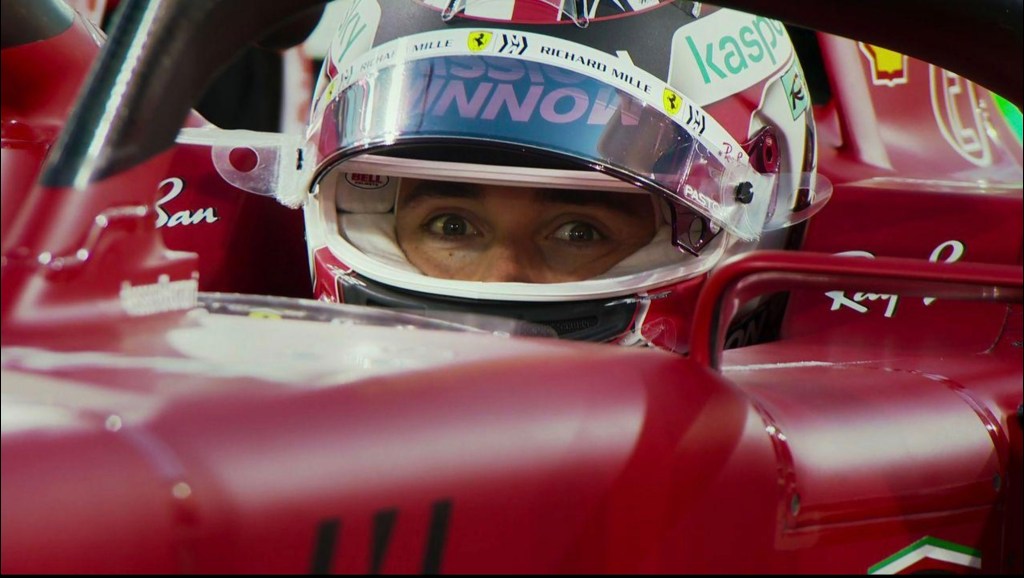
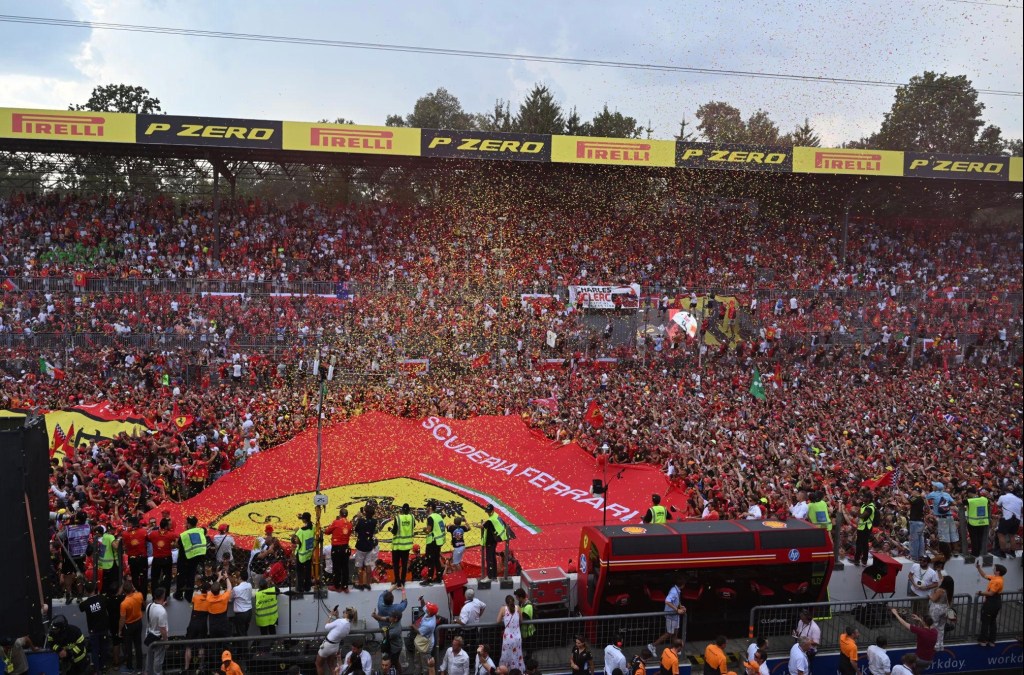
Few brands in global sport carry the emotional weight of Scuderia Ferrari. Unlike other teams in Formula 1, Ferrari is not simply a competitor—it is a cultural symbol, deeply embedded in identity, history, and collective emotion.
From a branding perspective, Ferrari represents one of the strongest examples of heritage-based positioning. Its legacy, built over decades of racing history, iconic drivers, and championship success, creates a powerful narrative that extends far beyond current performance. The team’s signature red color, its association with Italian pride, and the passion of its fanbase—the Tifosi—contribute to a brand identity that is instantly recognizable worldwide.
However, what makes Ferrari particularly interesting from a marketing standpoint is the contrast between its historical dominance and its recent inconsistency on track. While other teams rely heavily on current results to maintain relevance, Ferrari continues to command attention, loyalty, and commercial value even during periods of underperformance.
This reveals a key principle: emotional connection can outweigh functional performance.
Ferrari’s fans are not simply supporters; they are emotionally invested participants in an ongoing narrative of hope and disappointment. Each season begins with optimism—the belief that this could be the year of return to glory. Yet, repeated strategic errors, missed opportunities, and internal challenges often lead to frustration and heartbreak.
Paradoxically, this cycle strengthens the brand rather than weakening it. The emotional highs and lows create a deeper connection between the team and its audience. In marketing terms, Ferrari does not offer just a product (racing performance), but an emotional experience.
Another critical aspect is exclusivity and prestige. Ferrari’s brand extends beyond Formula 1 into luxury automotive markets, where it is positioned as a symbol of status and performance. The racing team reinforces this perception by maintaining an image of tradition, excellence, and uniqueness. Even when results do not align with expectations, the brand’s perceived value remains intact.
From a storytelling perspective, Ferrari operates as a constant narrative anchor within Formula 1. While teams rise and fall, Ferrari’s presence provides continuity. Its struggles, ambitions, and occasional successes form one of the most compelling storylines in the sport.
There is also a strategic risk in this model. Over-reliance on heritage can limit innovation and create internal pressure to live up to past success. Ferrari must balance its historical identity with the need to evolve in a highly competitive and technologically advanced environment.
Nevertheless, its ability to maintain global relevance despite inconsistent results highlights the power of brand equity built over time. Ferrari is not judged solely on what it achieves in a single season, but on what it represents.
In conclusion, Ferrari demonstrates that in both sport and business, success is not only defined by outcomes, but by perception and emotional resonance. It is a brand built on history, sustained by passion, and defined by a continuous cycle of hope and heartbreak—making it one of the most powerful and enduring identities in Formula 1.
WHEN TALENT ISN´T ENOUGH: WHY SOMEONE DRIVERS NEVER WIN
n Formula 1, success depends as much on context as it does on talent.
Formula 1 is often perceived as the pinnacle of meritocracy in motorsport—a competition where the most talented driver ultimately rises to the top. However, a closer analysis reveals a more complex reality. Success in Formula 1 is not determined by talent alone, but by a combination of factors that extend far beyond individual ability.
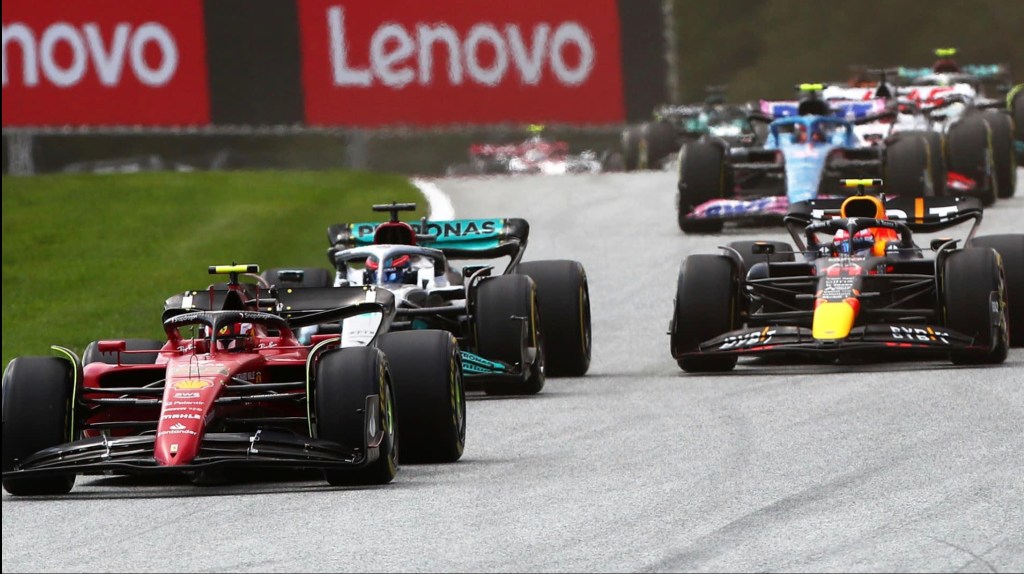
At its core, Formula 1 is a system-dependent sport. Unlike many other disciplines, drivers do not compete on equal machinery. The performance gap between teams can be significant, meaning that even the most skilled drivers may never have access to a car capable of winning races, let alone championships.
This structural imbalance challenges the simplistic narrative of “the best driver always wins.” In reality, many highly talented drivers spend their careers in midfield or lower-tier teams, where opportunities for victory are limited regardless of their individual performance.
From a strategic perspective, timing plays a crucial role. A driver’s career trajectory often depends on being in the right place at the right time—joining a competitive team during a period of peak performance. Missing that window, even by a few seasons, can significantly alter the outcome of a career.
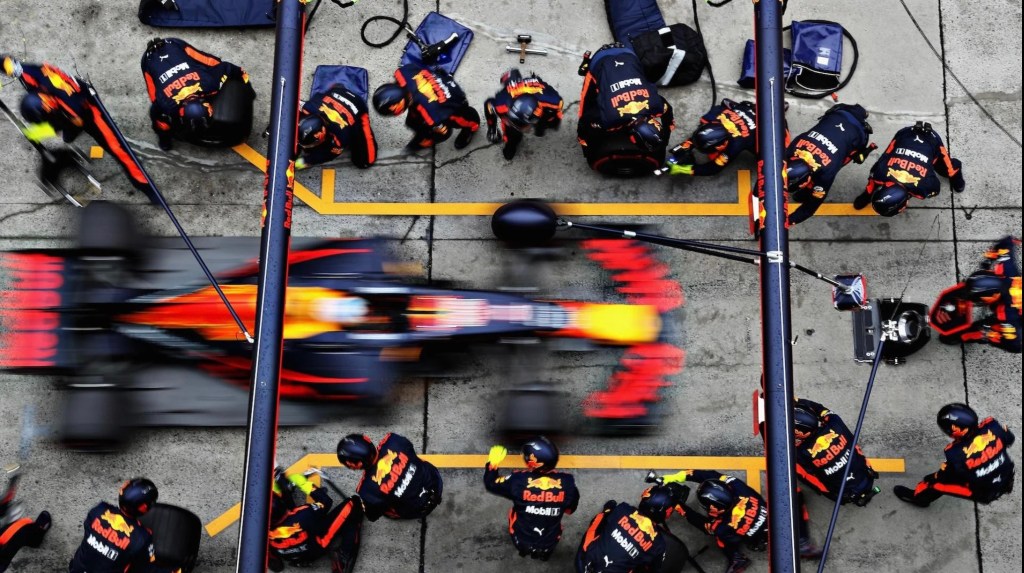
Additionally, team dynamics and decision-making have a direct impact on results. Race strategy, pit stop execution, car development, and internal hierarchy all influence performance. A driver may deliver exceptional laps, yet lose positions due to strategic errors or technical limitations. In this context, success becomes a collective output, not an individual achievement.
From a marketing and branding standpoint, this dynamic creates an interesting contrast. While winning drivers naturally attract more visibility and commercial opportunities, there is increasing recognition of talent beyond results. Fans and analysts often identify drivers who consistently outperform their machinery, building reputations based on skill rather than trophies.
This introduces the concept of “perceived performance” versus “actual results.” A driver who finishes outside the podium but consistently exceeds expectations can still build a strong personal brand. In some cases, this narrative of unrealized potential can be as compelling as success itself.
There is also a psychological dimension to consider. Competing at the highest level without achieving victory can create significant pressure and frustration. Drivers must maintain motivation and focus despite limited external rewards, which requires a high degree of mental resilience.
From a broader business perspective, this reflects a universal principle: individual talent is always influenced by the environment in which it operates. In any competitive field—whether sport, business, or technology—success depends not only on personal ability, but on access to resources, strategic positioning, and organizational support.
This reality also enhances the storytelling dimension of Formula 1. The existence of talented drivers who never win adds depth to the sport’s narrative. It creates alternative storylines that go beyond dominance and victory, highlighting themes of struggle, perseverance, and unrealized potential.
In conclusion, Formula 1 demonstrates that talent, while essential, is not sufficient on its own. Success is the result of a complex interaction between skill, context, timing, and strategy. Recognizing this complexity provides a more accurate understanding of the sport—and offers valuable insights into performance dynamics in any high-level competitive environment.
FORMULA 1 AS LIFESTYLE BRAND
From racetrack to culture, Formula 1 has become a global symbol of lifestyle and prestige.
Over the past decade, Formula 1 has undergone a significant transformation—from a traditional motorsport competition into a fully developed lifestyle brand. This evolution has been driven largely by the commercial strategy of Formula One Group, which has repositioned the sport to operate not only within the realm of racing, but across fashion, entertainment, and luxury experiences.
Traditionally, Formula 1’s value was concentrated in race viewership, sponsorship deals, and broadcasting rights. While these remain critical, the sport has expanded its ecosystem by creating multiple touchpoints through which audiences can engage with the brand. This shift reflects a broader trend in modern marketing: moving from a product-centric model to an experience-driven model.
One of the most visible aspects of this transformation is the integration of Formula 1 into the world of fashion. Collaborations with global brands, team merchandise, and driver-inspired collections have turned F1 into a recognizable presence in streetwear and luxury apparel. Wearing Formula 1 is no longer limited to race weekends—it has become a statement of identity linked to speed, exclusivity, and innovation.
In addition, Formula 1 has positioned itself strongly within the luxury segment. Events such as the Monaco Grand Prix are not just sporting competitions, but high-profile social gatherings associated with wealth, prestige, and exclusivity. The presence of yachts, VIP hospitality areas, and premium experiences reinforces the perception of Formula 1 as a high-end lifestyle.
From a marketing perspective, this is a deliberate strategy of brand extension. By expanding beyond racing, Formula 1 increases its relevance and revenue potential. Fans are no longer limited to watching races; they can participate in the brand through fashion, travel experiences, digital content, and live events.
Another key element is the role of digital platforms and social media. Formula 1 has significantly improved its online presence, creating content that is accessible, engaging, and tailored to younger audiences. This includes short-form videos, behind-the-scenes content, and interactive media that reinforce the lifestyle aspect of the brand.
Importantly, this transformation also changes the nature of fandom. Being a Formula 1 fan is no longer just about understanding the sport—it is about being part of a global culture. This cultural dimension increases emotional engagement and strengthens long-term loyalty.
From a business standpoint, the lifestyle positioning allows Formula 1 to diversify its revenue streams. Merchandise sales, licensing deals, event experiences, and partnerships with non-endemic brands (such as fashion and entertainment companies) contribute to a more resilient and scalable business model.
However, this strategy also presents challenges. Expanding too far into lifestyle risks diluting the core identity of the sport. Formula 1 must maintain a balance between accessibility and exclusivity, ensuring that the essence of high-performance racing remains central to its brand.
In conclusion, Formula 1’s evolution into a lifestyle brand demonstrates a sophisticated understanding of modern marketing dynamics. By extending its identity beyond the racetrack, the sport has increased its global relevance, diversified its revenue, and created a deeper connection with its audience. It is no longer just a sport—it is a cultural and commercial ecosystem built around speed, prestige, and experience.
PRESSURE AR 300 KM/H: THE MENTAL HEALTH AND REALITY OF FORMULA 1
Behind the speed lies a constant mental battle shaped by pressure and expectation.
Behind the glamour, speed, and global prestige of Formula 1 lies an often overlooked reality: the extreme psychological pressure experienced by drivers. Competing at speeds exceeding 300 km/h is not only a physical challenge, but a constant mental test that demands focus, resilience, and emotional control at the highest level.
Drivers operate in an environment where every decision is made in fractions of a second. A minor lapse in concentration can result in lost positions, race-ending incidents, or even serious accidents. This creates a state of sustained cognitive intensity that few other professions require. Unlike many sports, there is little room for recovery during performance—focus must be continuous from start to finish.
Figures such as Lewis Hamilton have openly discussed the psychological demands of the sport, including stress, anxiety, and the pressure of constant public scrutiny. As one of the most visible athletes in the world, Hamilton has highlighted the importance of mental health awareness, helping to reduce stigma around the topic within elite sport.
From a performance perspective, mental strength is as critical as technical skill. Drivers must manage not only the complexity of the race, but also external pressures such as media expectations, team demands, and the need to consistently deliver results. This combination creates a high-stakes environment where performance is constantly evaluated.
Another key factor is isolation. Despite being part of large teams, drivers spend the race physically alone in the cockpit, making independent decisions under extreme conditions. This isolation amplifies pressure, as responsibility for success or failure is often perceived as personal, even within a team-based structure.
From a marketing and branding standpoint, the growing visibility of mental health in Formula 1 represents a shift towards more human-centered storytelling. Traditionally, drivers were portrayed as almost invulnerable figures, defined solely by performance. Today, there is increasing recognition that vulnerability and openness can strengthen audience connection.
This shift aligns with broader trends in consumer behavior. Audiences are more likely to engage with brands and personalities that appear authentic and relatable. By acknowledging the psychological realities of the sport, Formula 1 and its drivers create a deeper emotional bond with fans.
There is also a long-term strategic benefit. Promoting mental health awareness contributes to a more sustainable performance environment, both for drivers and for the sport as a whole. As the demands of Formula 1 continue to increase, addressing psychological well-being becomes essential, not optional.
However, this topic must be handled carefully. Overexposure or superficial treatment of mental health issues risks reducing them to marketing tools rather than genuine concerns. Authenticity remains critical in maintaining credibility.
In conclusion, the reality of Formula 1 extends far beyond speed and competition. It is a high-pressure environment where mental resilience plays a decisive role in performance. By bringing this dimension into the spotlight, the sport not only evolves its narrative, but also aligns with a more modern and human understanding of excellence—one that recognizes that even at 300 km/h, the greatest challenge is often psychological.
RETRO FORMULA 1 LEGENDS
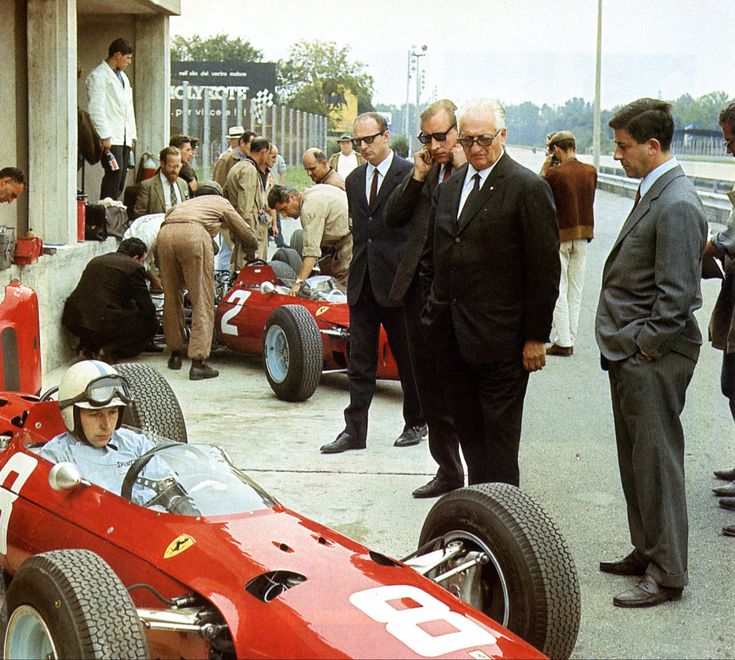
Enzo Ferrari and the Birth of a Racing Empire
Enzo Ferrari is considered a foundational figure in Formula One due to his lasting institutional, technical, and cultural impact on the sport. As the founder of Scuderia Ferrari before the championship officially began in 1950, he established one of its core teams and helped define the professional structure of modern racing. His emphasis on in-house engineering, performance-driven philosophy, and continuous innovation set standards that still shape Formula One today. Additionally, his role in building the sport’s identity—through legendary drivers, fierce rivalries, and a strong brand rooted in passion and excellence—contributed to transforming it into a global and highly competitive championship
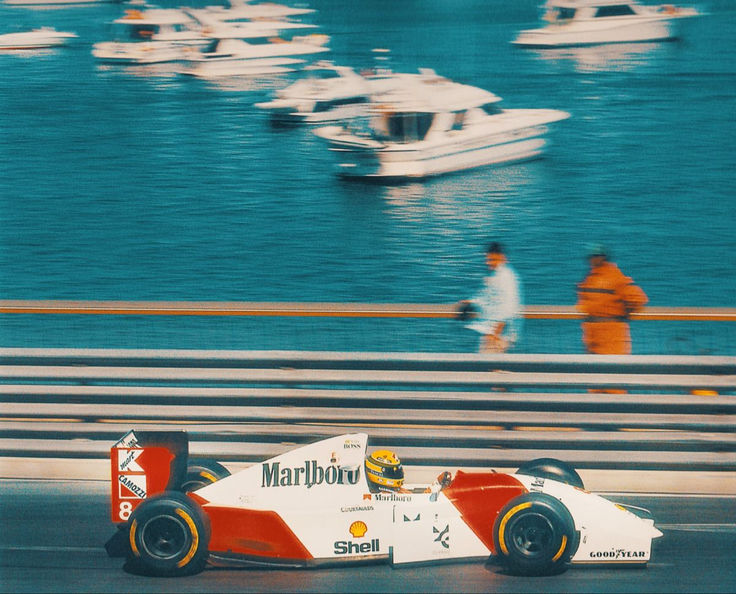
Ayrton Senna: The Immortal Spirit of Formula One
Ayrton Senna is regarded as one of the most iconic and transcendent figures in Formula One, not only for his exceptional driving talent but for the profound cultural and philosophical impact he had on the sport. His approach to racing—defined by precision, intensity, and an almost spiritual connection to performance—redefined the limits of driver capability, particularly in extreme conditions such as wet-weather racing. Beyond his three world championships, Senna became a symbol of purity in competition, embodying both the brilliance and the inherent risks of Formula One. His legacy was further cemented after his death at the 1994 San Marino Grand Prix, which marked a turning point in the sport’s approach to safety, ultimately contributing to significant regulatory and technological advancements.
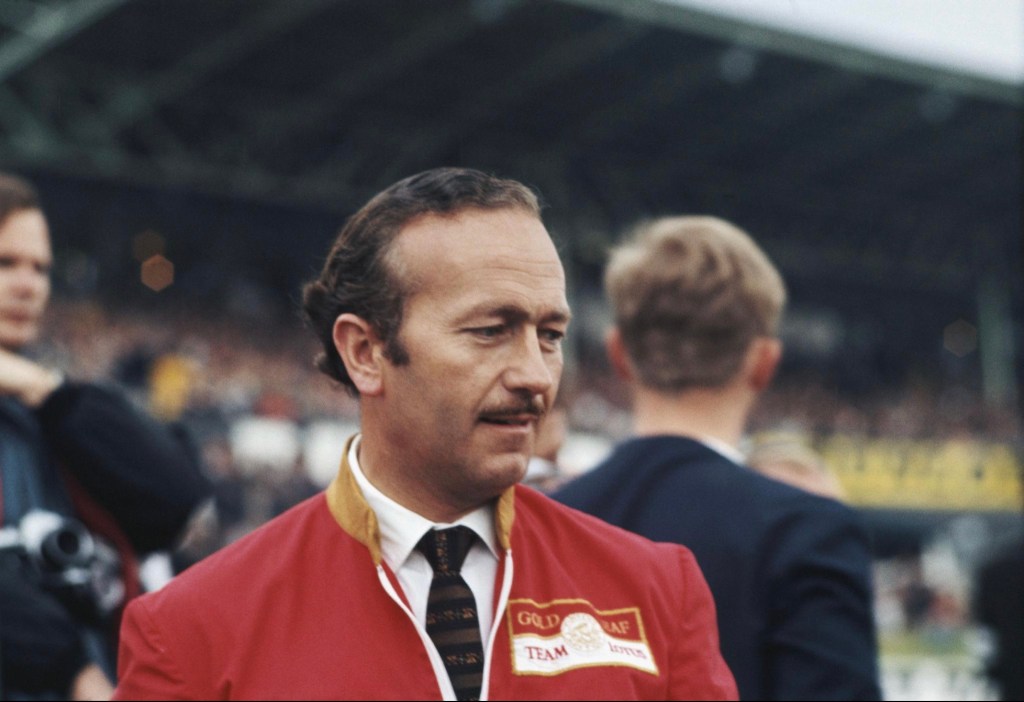
Colin Chapman: The Architect of Innovation in Formula One
Colin Chapman is widely regarded as one of the most influential engineering minds in the history of Formula One, due to his transformative impact on car design and performance philosophy. As the founder of Team Lotus, Chapman pioneered groundbreaking innovations such as the monocoque chassis and ground effect aerodynamics, fundamentally redefining how Formula One cars were constructed and optimized for speed. His design approach, centered on minimizing weight and maximizing efficiency, established principles that continue to underpin modern race car engineering. Beyond technical advancements, Chapman helped shift Formula One toward a more experimental and innovation-driven discipline, where engineering creativity became as decisive as driver skill in achieving competitive success.
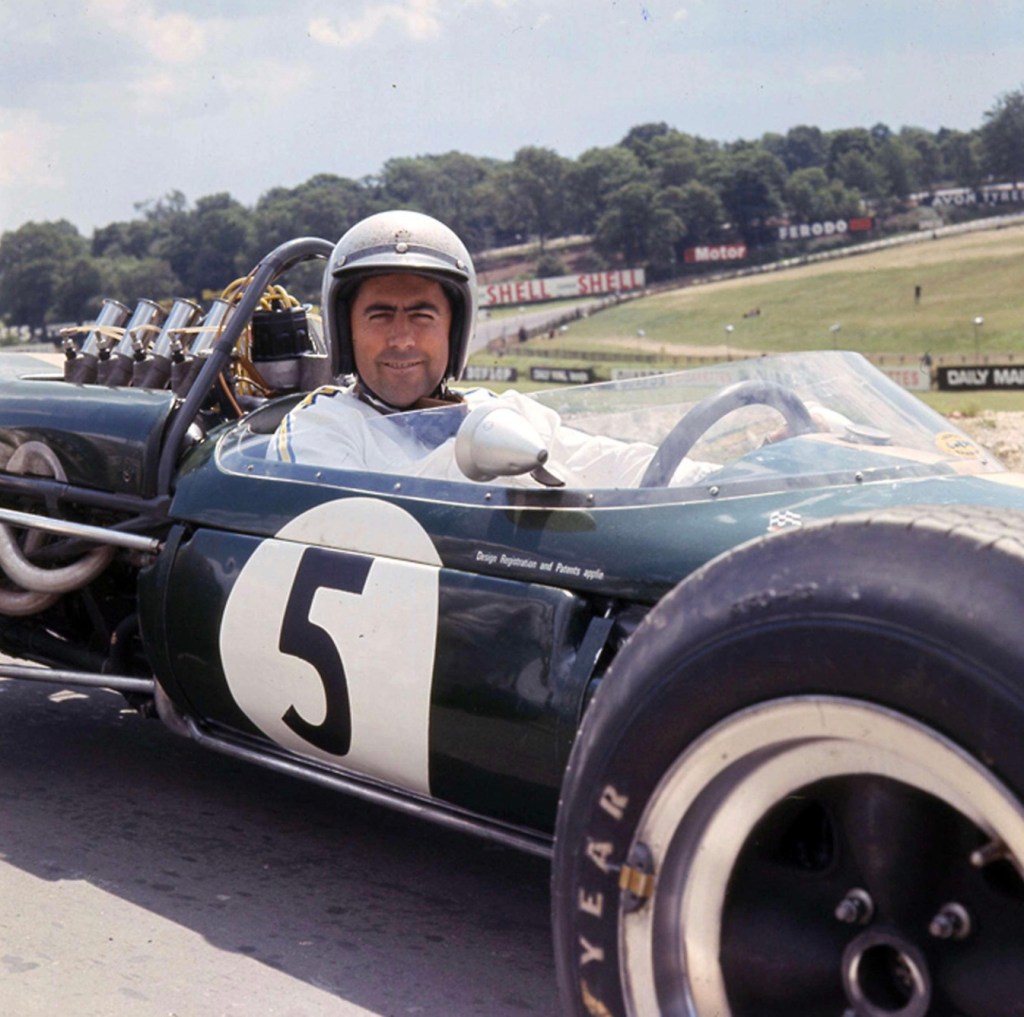
Jack Brabham: The Driver Who Built His Own Legacy
Jack Brabham is regarded as one of the most distinctive and pioneering figures in the history of Formula One, due to his unique combination of driving skill, technical understanding, and entrepreneurial vision. As both a driver and the founder of Brabham, he achieved a feat unmatched in the sport by winning the World Championship in 1966 in a car developed by his own team. This accomplishment exemplified the early, less specialized era of Formula One, where individuals could shape multiple dimensions of the sport simultaneously. Brabham’s legacy lies in demonstrating the viability of the driver-constructor model and in contributing to the professionalization and technical evolution of the sport, bridging the gap between its artisanal origins and its modern, highly structured form.
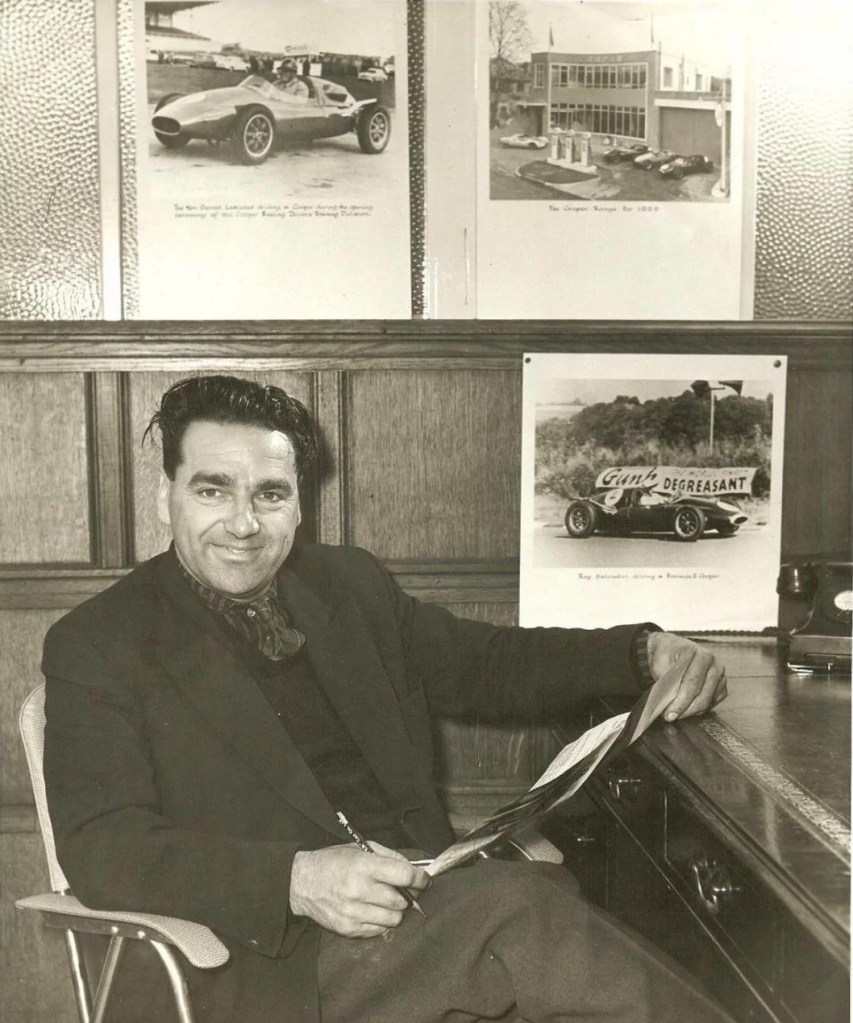
John Cooper: The Hidden Pioneer Behind Formula One’s Rear-Engine Revolution
John Cooper is regarded as one of the most quietly transformative figures in the history of Formula One, due to his role in fundamentally redefining race car architecture. As co-founder of Cooper Car Company, he pioneered the use of the rear-engine layout in Formula One cars—an innovation that was initially dismissed but ultimately became the standard across the entire sport. By relocating the engine behind the driver, Cooper drastically improved weight distribution, handling, and overall performance, forcing every major team to adapt or fall behind. His contribution marked a decisive shift from front-engine designs to the modern configuration still used today, making his influence both foundational and enduring despite often being overlooked in mainstream narratives of Formula One history.
“If you no longer go for a gap that exists, you are no longer a racing driver.” — Ayrton Senna





 ForMula 1